

REbalance
Breath, Body, Mind
RE bridges ancient wisdom with modern neuroscience. Using breath, rhythm, and sound to bring your nervous system back into balance, and help your body recover from exercise and stress.
The Benefits of RE
A physiological tool designed to optimise your well-being using breathwork, mindfulness, and sound frequencies. Measure your nervous system's response objectively with just your smartphone camera or smartwatch.
Breathe with RE

What is Coherent Breathing?
When you slow your breath to a consistent pace, something unexpected happens: your heart, lungs, and nervous system fall into rhythm with each other.
Researchers call this Resonance Frequency, the sweet spot where your internal systems stop fighting and start cooperating.
0.1 Hz Resonance Frequency
The sweet spot where cardiovascular efficiency is maximised.
Vagal Tone
Stimulates the vagus nerve, promoting emotional regulation.
Relax (4-7-8)
Extended exhales to engage the vagal brake for deep evening calm.
Reenergizing (Box)
Equal four-phase pacing for sharp focus and calm under pressure.

What is HRV?
Think of your heart as a drummer. While a perfectly steady beat might sound good, your body actually performs best when the timing between beats varies slightly. Heart Rate Variability (HRV) is the measure of this healthy irregularity. A high HRV means your nervous system is flexible. It can accelerate and brake on demand, rather than running flat-out all the time.
Real Efficacy
Clinical trials utilising 8-week protocols of daily 20-minute coherent breathing sessions have demonstrated statistically significant reductions in psychometric scores for anxiety (GAD-7), depression (PHQ-9), and PTSD (PCL-5).
- Significant drop in cortisol & stress biomarkers
- Improved emotional regulation & impulse control
- Lowered resting blood pressure
Symptom Reduction (8 Weeks)
GAD-7 Scale
PHQ-9 Scale
PCL-5 Scale
Featured Stories
Handpicked articles on breathwork, neuroscience, and privacy-first tech.

The AI Issue: Building Without Compromise
An honest perspective on AI in wellness apps, the sycophancy problem, and why RE is built on first principles.
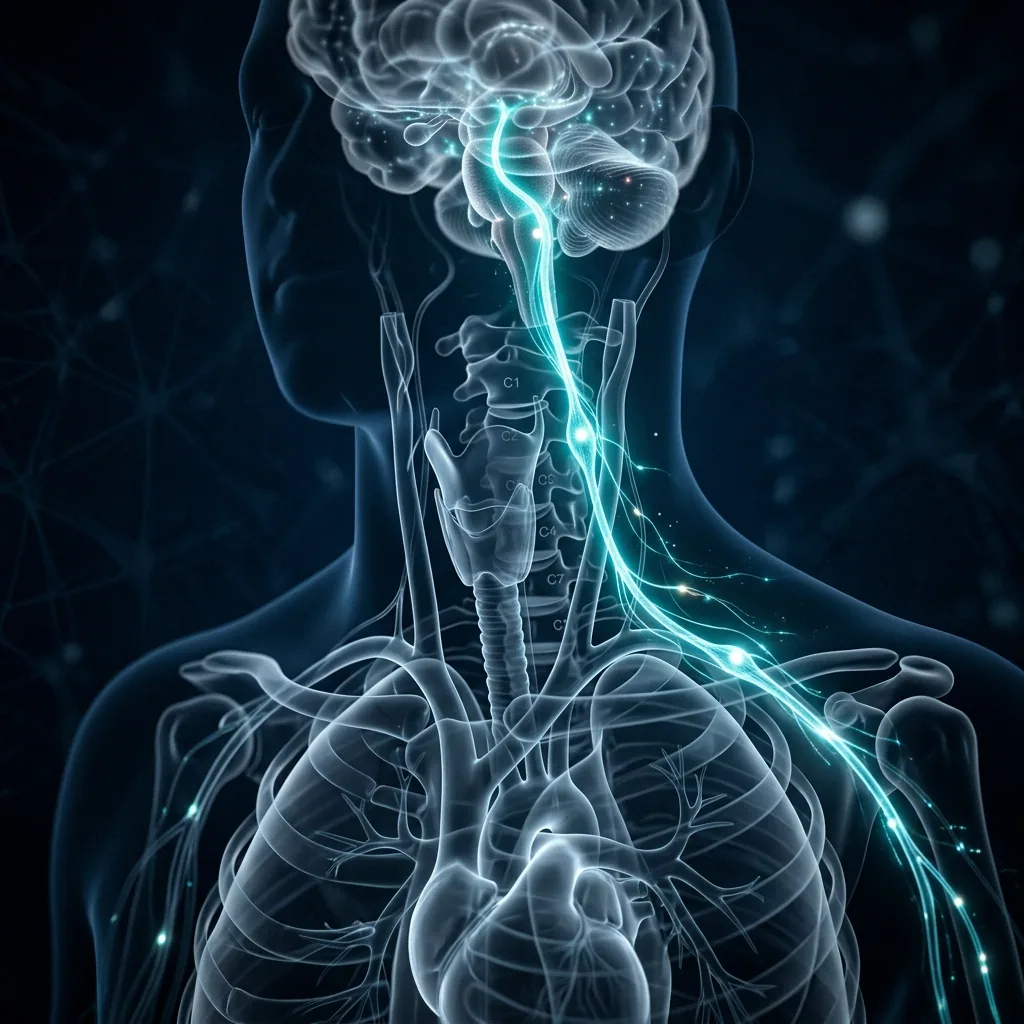
The Vagus Nerve: Your Body's Invisible Reset Button
Learn how to tune your body's master autonomic controller for stress relief, vagal tone, and autonomic balance.
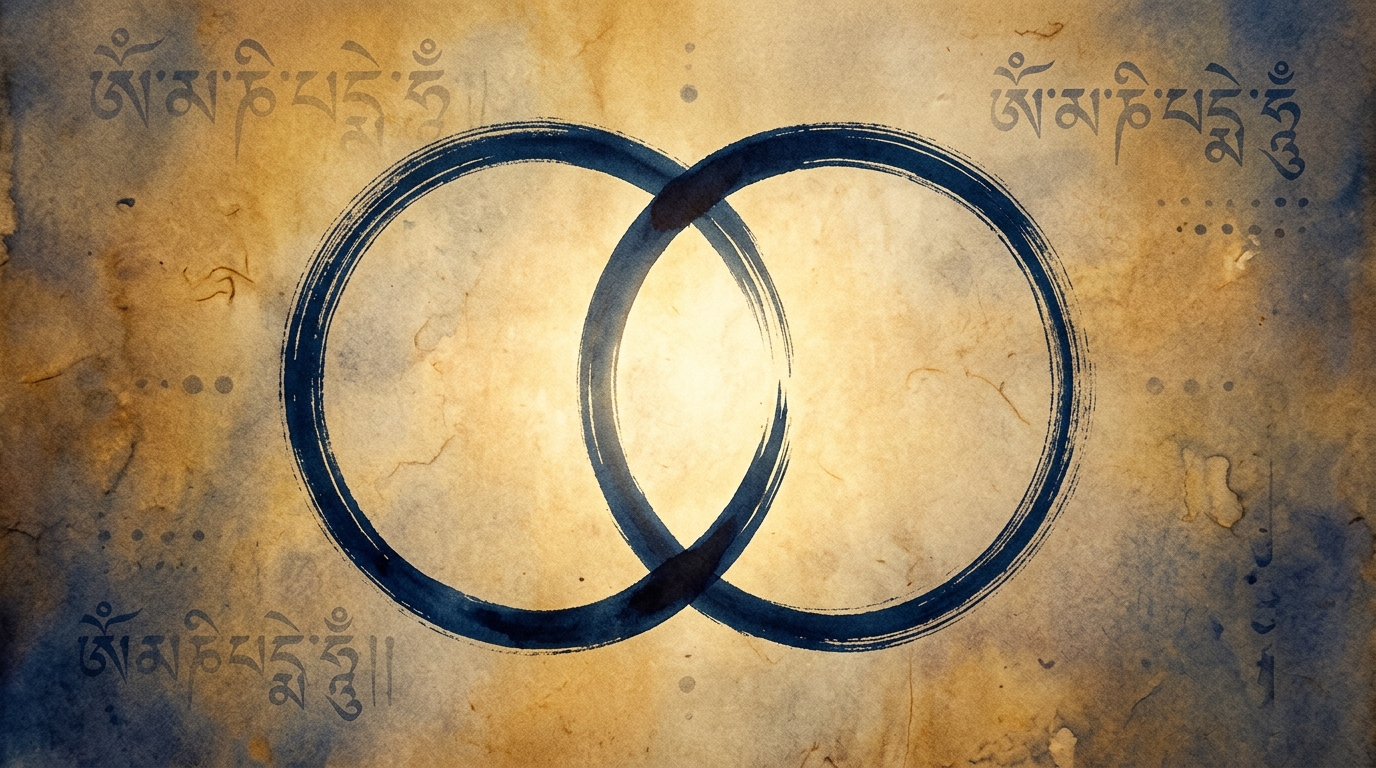
The Geometry of the First Breath: Sacred Form & the Vesica Piscis
How Tibetan calligraphy, sacred geometry, and the mathematical ratio of light inspired the RE mark and the resting visualizer.

ADHD, Burnout & the Somatic Anchor: Regulating the Overstimulated Mind
Why ADHD burnout is a physiological event, why silent meditation can backfire, and how bottom-up somatic anchors offer a different way in.

Frequently Asked Questions
Everything you need to know about the upcoming RE app experience.
Future Development
We are preparing to move from Beta (testing) to a Public release through Apple App and Google Play stores late 2026.
Find your Flow?
Test the pre-release app
Join our closed alpha. Choose your platform below, enter your email, and we will send you the private install links. As a thank-you, you will receive free lifetime access to the app (limited to the first 34 testers).
Android & Smartwatches
Alpha channel for Google Android users and Android-compatible smartwatches.
iPhone & Apple Watch
TestFlight alpha channel for iPhones and Apple Watches.